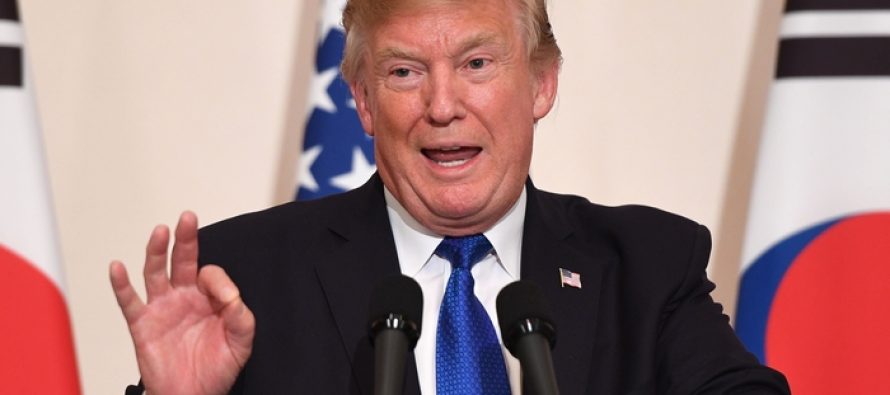
Last Friday, the US President called out Turkey for falsely accusing Andrew Brunson, a U.S. pastor, of espionage. The Turkish government alleges that Brunson was involved in a failed coup back in 2016. Turkey did not respond positively to Trump’s demand for the unconditional release of Brunson, and shortly thereafter, the USA increased steel and aluminum tariffs to 20% and 50%, respectively – threatening further damage if Turkey fails to change its stance. President Erdogan, retaliated by raising the duty on several US goods.
Until now, the greenback has stood strong against the Turkish lira, and other G10 currencies. Yet as Turkish contagion fears have started to dissipate, the market has begun to pay closer attention to the negotiations between China and the US. China is not expected to fall in line with the US demands, and the greenback has started to decline, with a trend that is expected to last for some days.
Three primary factors behind the US dollar’s weakness
US officials and their Chinese counterparts are scheduled to meet in Washington this week to discuss issues relating to trade and intellectual rights. The US government has frequently accused China of stealing the intellectual property of US enterprises and has expressed concerns about what it calls “unfair practices” to outperform other countries in trade.
Both countries have slapped duties of 25% on $250 billion worth of goods, causing anxiousness in the market over the possibility of a trade war that would certainly affect global economic growth. The market is hopeful that talks will lead to the withdrawal of import duties on both sides, however, this optimism and easing of tensions have reduced the demand for the US dollar.
Secondly, Trump has once again accused China and the EU of manipulating their currencies.
Trump told Reuters: “I think China is manipulating their currency, absolutely. And I think the euro is being manipulated also. [..].”
The US President also expressed concern about the monetary policy. In contradiction to the expectations of analysts and the financial markets, Trump prefers a loose fiscal policy, stating that the “Fed should be more accommodating on interest rates.”
This has turned market attention toward the annual symposium of central bankers scheduled to be conducted at Jackson Hole (the valley between the Teton Mountain Range and the Gros Ventre Range in Wyoming) later this week. The market expects the Fed to act as a global central bank, rather than towing the “US First” stance of Trump. Fed Chair Jerome Powell, unlike his predecessor Yellen, is considered to be an outspoken character. As a result, the market expects Powell to express his views strongly, and if Powell shifts to the ‘America First’ monetary policy, then it may further weaken the dollar.
A brief analysis of the USDCHF pair
At this point, technically the greenback looks incredibly weak against the Swiss Franc. The USDCHF pair is facing heavy resistance at 0.9970 levels. The next major support exists only at 0.9580. Furthermore, the DSS Bressert indicator has started declining. So, the USDCHF has higher chance of moving downwards. Swiss Franc is strengthening because of its inverse correlation with the greenback.

Disclaimer: Any financial trading analysis offered here is our opinion and is not intended as advice or direction for investors. We cannot guarantee the success of any trades made as a consequence of this article, and we encourage traders to incorporate a strong money management strategy to limit losses when they enter the markets. Please use this article as part of your own research before formulating strategies prior to trading.