On Tuesday, the Trump administration slapped Russia with two new sanctions, mounting diplomatic pressure as US lawmakers called for the deployment of more powerful measures to paralyze the Russian economy. First, the U.S. Treasury Department blacklisted several Russian enterprises and highly placed individuals for breaching the ban on oil trade with North Korea and violating U.S. laws against contact with Russia’s intelligence division – the Federal Security Service.
The sanctions underscore the U.S. administration’s attempt to stop Russia from cyber-attacks, election-tampering (a recent research report from Microsoft revealed that the Russian hackers are targeting the midterm elections), and other activities. It also reflected the commitment of the US administration in challenging the Kremlin. Notably, the sanctions announced by the U.S. State Department earlier this month took effect yesterday.
US administration officials revealed that the latest round of sanctions will affect more than 200 Russian companies, individuals, banks, financial institutions, and government officials, including some of Vladimir Putin’s closest allies and some of the richest oligarchs. Shipping companies that defied US sanctions and delivered Russian oil to North Korea will be the worst affected.
Additionally, marine companies dealing with the Russian military will also face the heat of these sanctions. In particular, the Vladivostok-based vessels, operating for Primorye Maritime Logistics Co. and Gudzon Shipping Co., have been targeted by the US administration as they performed ship-to-ship transfer of oil to North Korean ships.
Administration officials, however, are wary of the fact they need Russian cooperation on issues related to Iran, North Korea, and Syria.
Impact of new sanctions
Over the past few years, FDI (foreign direct investment) into Russia has declined considerably. The ruble often plunged whenever a new wave of sanctions are announced. In April, US sanctions against Putin’s closest friends affected one of the world’s largest aluminum producers; eroding the market value of Russian stocks, and wiping out the wealth of the Russian oligarchs by tens of billions of dollars.
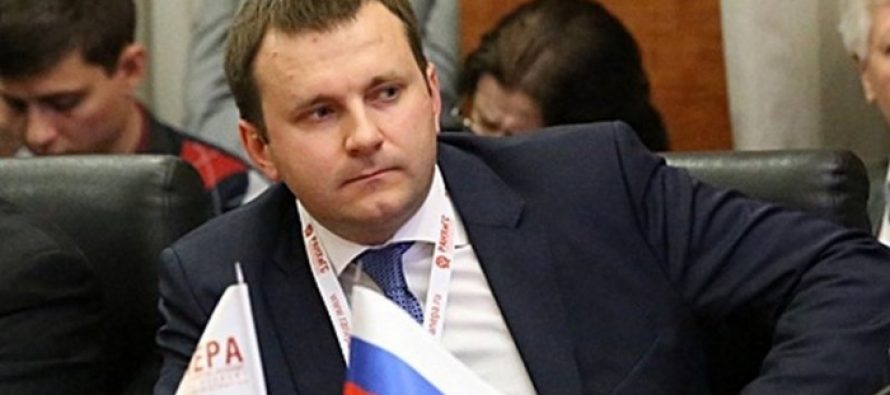
Yesterday, Russian Economy Minister Maxim Oreshkin acknowledged that the newest round of US sanctions would put the ruble under pressure once more, encouraging capital outflow in the months ahead. Oreshkin also suggested the need to cut the economic growth outlook. He is the first government official to publicly accept that the Russian economy is in for bad spate, while other government officials have been busy blaming market volatility for the ruble touching its lowest level since 2016.
Oreshkin said, “The issue of the sanctions theme, the crisis that we see in Turkey, the ongoing problems in Argentina and Brazil, all these will clearly affect the Russian market.”
As the currency markets began pricing the US sanctions, the ruble started declining. The Finance Ministry had earlier forecast the ruble to trade between 61 per dollar in 2018, and between 63 and 64 for next year. However, following the new round of sanctions, the ruble has fallen to a level of 67.70, a decline of over 8% so far this August.

Technically, the USDRUB pair is in a firm uptrend as shown in the image above. The MACD indicator is also in the positive region. So, a further uptrend in the USDRUB pair can be expected.
The Economy Minister also believes that the ruble will weaken further in the next 12 months, and has trimmed the economic growth forecast to 1.9%, up from 1.8%.
Oreshkin explained, “We are likely to revise this year’s economic growth (forecast) slightly from 1.9 percent to 1.8 percent. The changes will be mostly of a cosmetic nature.”
However, the Economy Minister believes that foreign investors in Russian government bonds will not increase the pace of selling, as they have already dumped their bonds earlier due to the threat of US sanctions. Inflation is therefore expected to increase, due to poor grain harvest and a weak ruble.
It should be noted that the US lawmakers are not satisfied with the measures taken by the White House to cripple Russia, and want the Trump administration to target Russian government debt. By limiting the purchase of Russian sovereign bonds by investors, banks, and other financial institutions, US lawmakers believe that Moscow’s ability to serve its debt and fund its operations could be jeopardized. That may prove disastrous to the Russian ruble.
Disclaimer: Any financial trading analysis offered here is our opinion and is not intended as advice or direction for investors. We cannot guarantee the success of any trades made as a consequence of this article, and we encourage traders to incorporate a strong money management strategy to limit losses when they enter the markets. Please use this article as part of your own research before formulating strategies prior to trading.