The cryptocurrency market remains in range bound with Bitcoin (BTC) hovering around $60,000. While preparing this report, Bitcoin was trading at $60,354, an increase of 1.80% in the past 24 hours. Ethereum (ETH) had gained 0.70% to trade at $2,609. XRP was trading at $0.5969, a decrease of 0.30% in the same period.
Major cryptocurrencies, which have gained ground in the past 24 hours, are Bitcoin Cash (BCH, $345.79, 3%), Polygon (MATIC, $0.537, 16.10%), BNB (BNB, $566.44, 0.40%), Polkadot (DOT, $4.65, 1.90%), Cardano (ADA, $0.3689, 6.70%), Avalanche (AVAX, $23.24, 1.50%), Chainlink (LINK, $11.32, 9.20%), NEAR Protocol (NEAR, $4.22, 5.20%), and Uniswap (UNI, $6.92, 8.10%).
Major cryptocurrencies, that have lost ground in the past 24 hours, are Tron (TRN, $0.1504, 6.20%), Toncoin (TON, $6.58, 0.80%), and Solana (SOL, $141.70, -0.60%).
Government Level Initiatives
Japan’s METI Launches Blockchain Project to Develop Digital Public Goods
Japan’s Ministry of Economy, Trade and Industry (METI) initiated a “Demonstration Project for Building Digital Public Goods Using Web 3.0 and Blockchain” to showcase the practical potential of public blockchains, beyond speculative uses. Recognizing the technology’s complexity and its speculative reputation, METI aims to develop public goods across diverse industries.
The project began with five themes and has awarded contracts to six winners, including NTT Digital, PwC, and Rakuten. The themes include marketplaces for tokenizing real-world and intangible assets, smart contracts for sports image rights management, content IP protection guidelines, and regional revitalization with governance tokens.
The circular economy theme was dropped. Significant subsidies, like the Yen 45 million ($307,000) for real-world asset marketplaces, support these projects. Leaf’s Sake World, a selected marketplace, allows buying, storing, and trading Sake, leveraging NFTs, akin to collectible Scottish whisky.
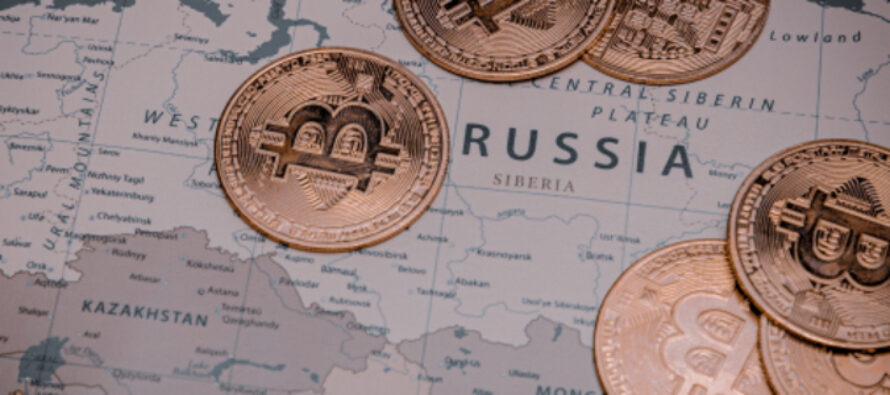
Russia Legalizes Cryptocurrency for Cross-Border Payments
The State Duma has cleared a Bill legalizing the utilizing cryptocurrencies for cross-border settlements, pending endorsement from the Federation Council and the President’s signature. Central Bank Governor Elvira Nabiullina anticipates the initial cryptocurrency payments in the months ahead.
Furthermore, the digital ruble central bank digital currency (CBDC) is expected to see mass implementation around July 2025. Although President Vladimir Putin has advocated for the CBDC, this timeline aligns with earlier plans, as stepping up was projected to start in 2025.
The cryptocurrency experimental legal regime (ELR) necessitates collaboration between the central bank and the rest of the departments to build a structured program, restricting partakers and the experimental time frame. Another law approved permits the circulation of overseas digital rights in Russia and vice versa and establishes guidance for cryptocurrency mining.
Thailand SEC Launches Digital Asset Regulatory Sandbox
Thailand’s Securities and Exchange Commission (SEC) has initiated the Digital Asset Regulatory Sandbox to foster innovation in the digital asset sector, which includes cryptocurrencies and digital tokens. Cryptocurrencies are employed as a means of exchange, while digital tokens grant rights, such as investment or utility tokens.
The sandbox encompasses six roles: Digital Asset Exchange, Broker, Dealer, Fund Manager, Advisor, and Custodial Wallet Provider. Participants must have adequate capital and robust administration systems. The test-run period is for a maximum period of one year, with the possibility of extensions, to explore and potentially integrate innovations not currently permitted by existing legislation.
Private Sector Initiatives
India’s CBDC Pilot Gains Traction with Major Payment Firms
In April, Reserve Bank of India (RBI) Governor Shri Shaktikanta Das revealed the central bank’s intention to broaden its retail central bank digital currency (CBDC) trial beyond banks.
Recently, it was revealed that five payment processing firms have evinced interest in joining the digital rupee pilot: Google Pay, Walmart-backed PhonePe, Cred, Amazon Pay, and Mobikwik. PhonePe and Google Pay dominate India’s payment landscape, collectively accounting for 85% of transactions and value through the Unified Payments Interface (UPI), which processes nearly 14 billion transactions per month. Notably absent from the CBDC applicants is PayTM, which holds a 6% UPI market share.
Cred, AmazonPay, and Mobikwik also play significant roles, though their influence diminishes beyond the top three players. Should the CBDC pilot mirror UPI’s dynamics, payment apps might overshadow banks, with Axis, ICICI, and Kotak Mahindra—despite being in the top ten UPI apps—holding less than one percent combined market share. UPI facilitates interbank settlements, with transactions sourced from bank accounts.
Miscellaneous
Osaka Digital Exchange Launches START Market for Security Tokens
In December 2023, the Osaka Digital Exchange (ODX) unveiled its START secondary market for security tokens, initially listing three real estate tokens. In a June earnings release, major shareholder SBI disclosed its intention to list digital bonds in the next few months. While Japan’s security token market has primarily focused on real estate, Europe is more centered on bonds.
Furthermore, three more tokens are expected to be listed soon. ODX is backed by major entities including Daiwa Securities, Nomura, SMBC, and Cboe, alongside SBI.
Disclaimer: Any financial trading analysis offered here is our opinion and is not intended as advice or direction for investors. We cannot guarantee the success of any trades made as a consequence of this article, and we encourage traders to incorporate a strong money management strategy to limit losses when they enter the markets. Please use this article as part of your own research before formulating strategies prior to trading.